

Contact: support@ttlmakerspace.com


Subjects covered:
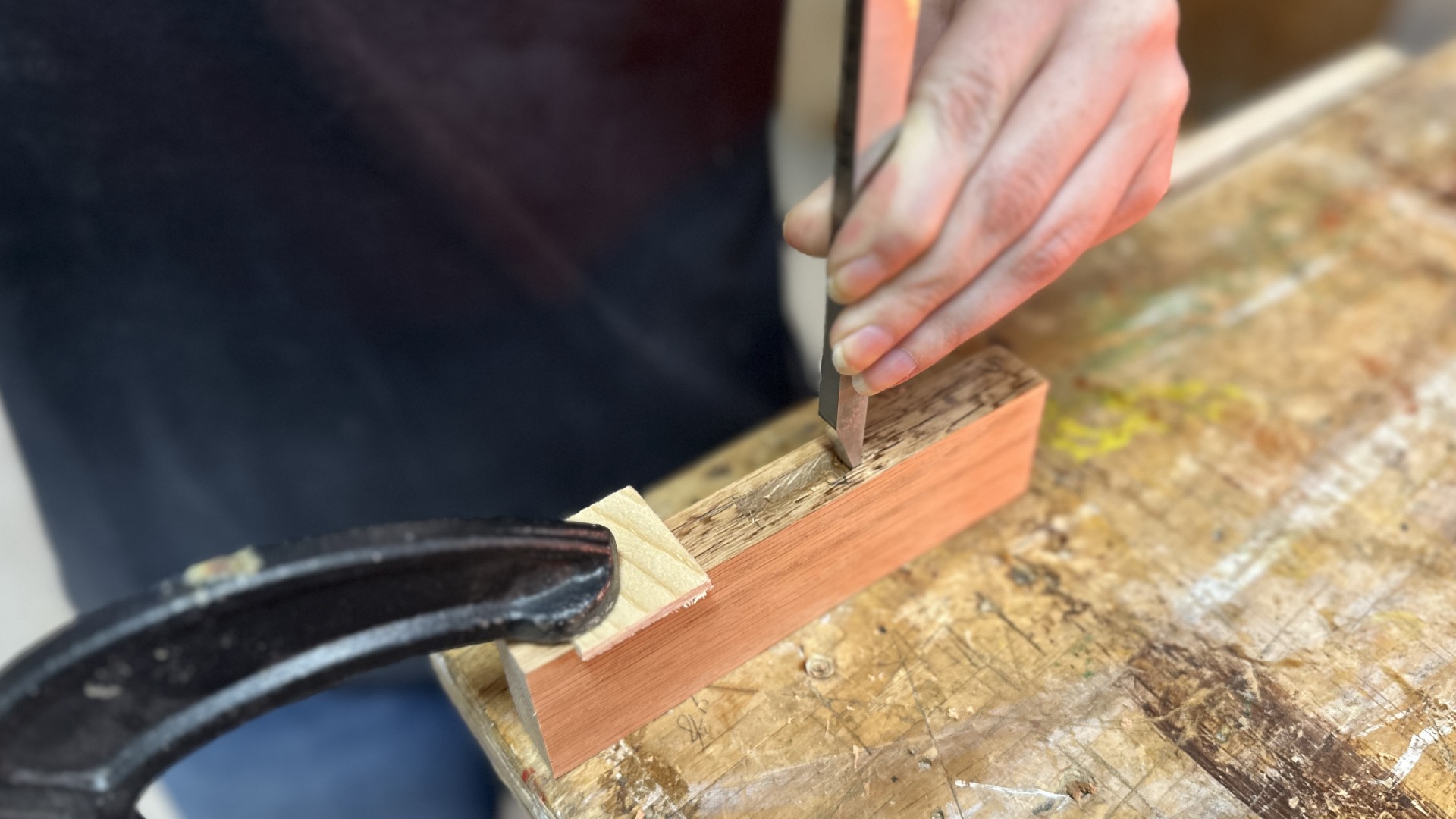
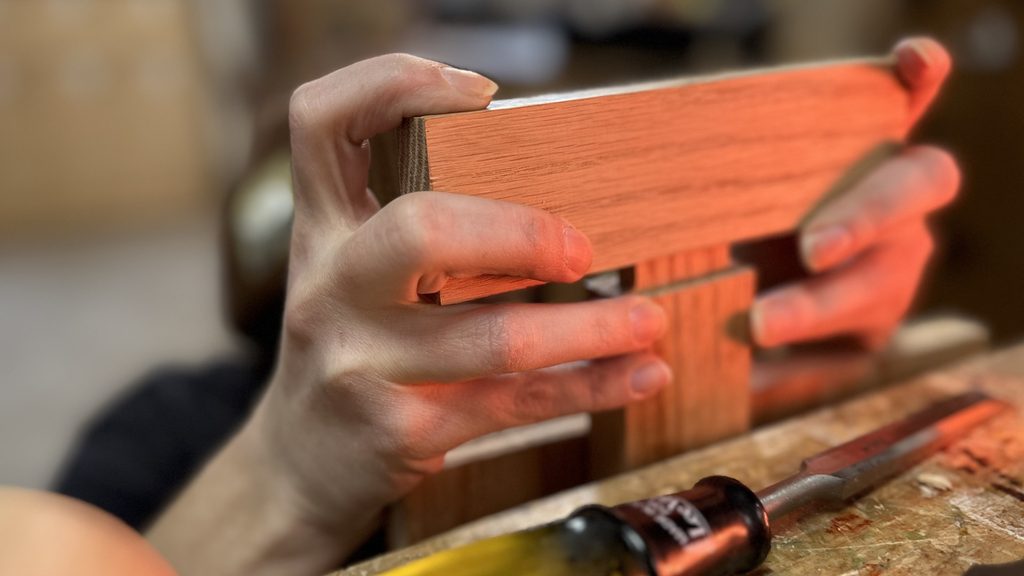
Joinery – lap joints – Week 1
Learn about:
- Triangular cutting method
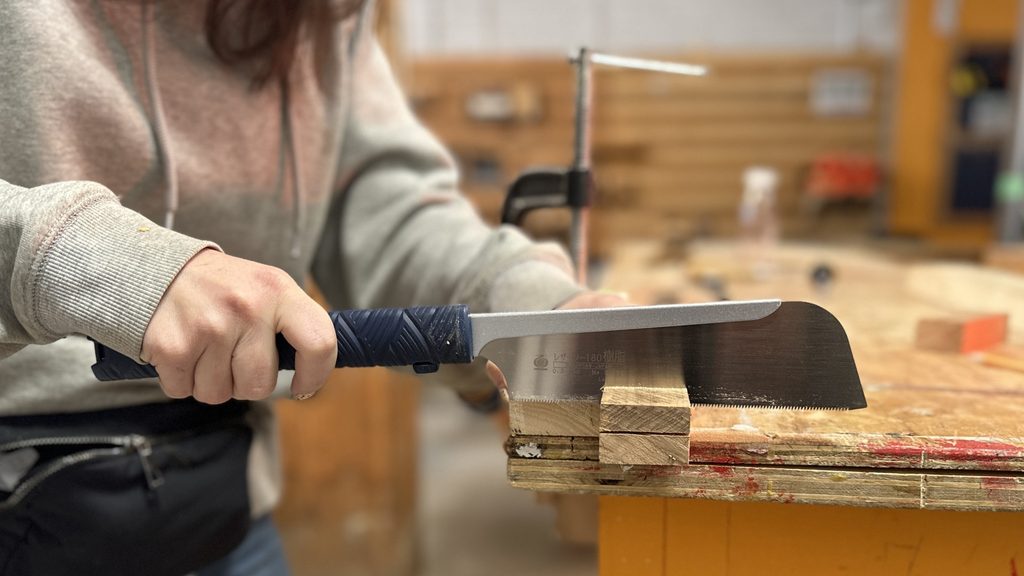
- Japanese pull-saw and back-saw
- Bench chisels
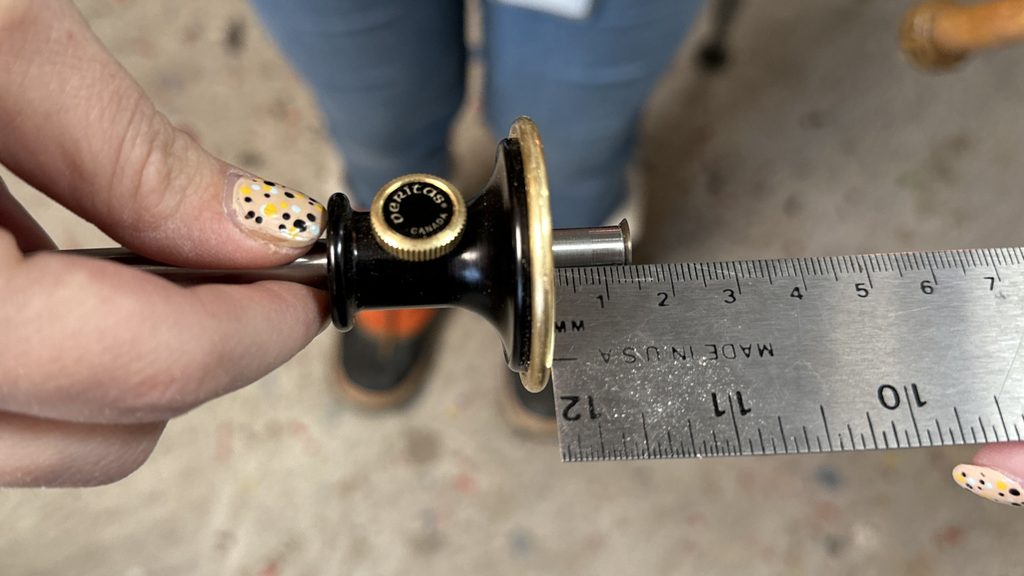
- Use of marking guage
Concepts covered:
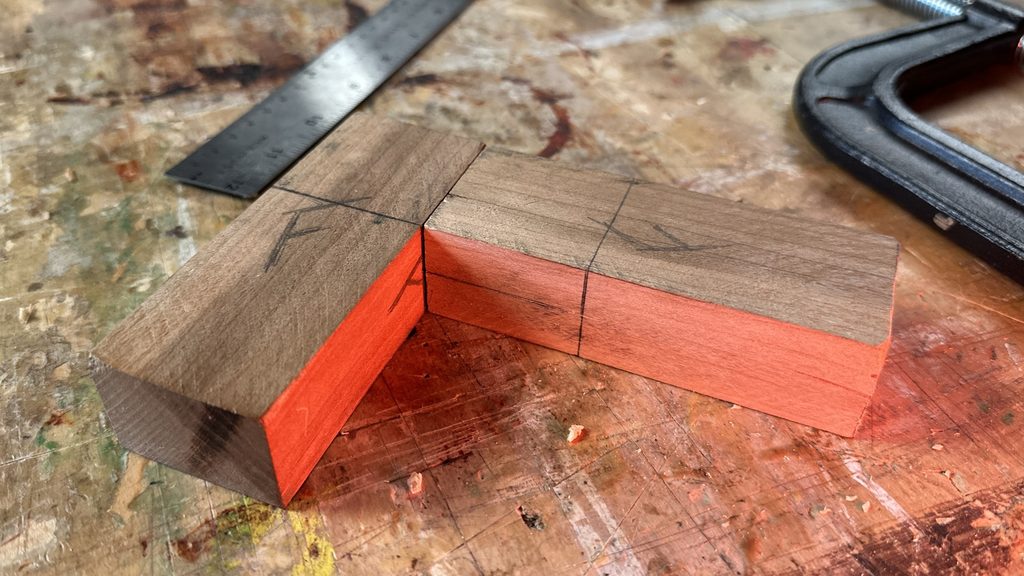
The lap joint is the basis for all joinery. Students actively engage in creating a lap joint using traditional joinery techniques with chisel and japanese pull saw.
Exercise 1: Triangular cutting for square cuts
Exercise 2: Selection of reference surfaces and measurement
Exercise 3: Lap joint creation
Joinery – mortise and tenon – Week 2
Learn about:
- Mortise chisels
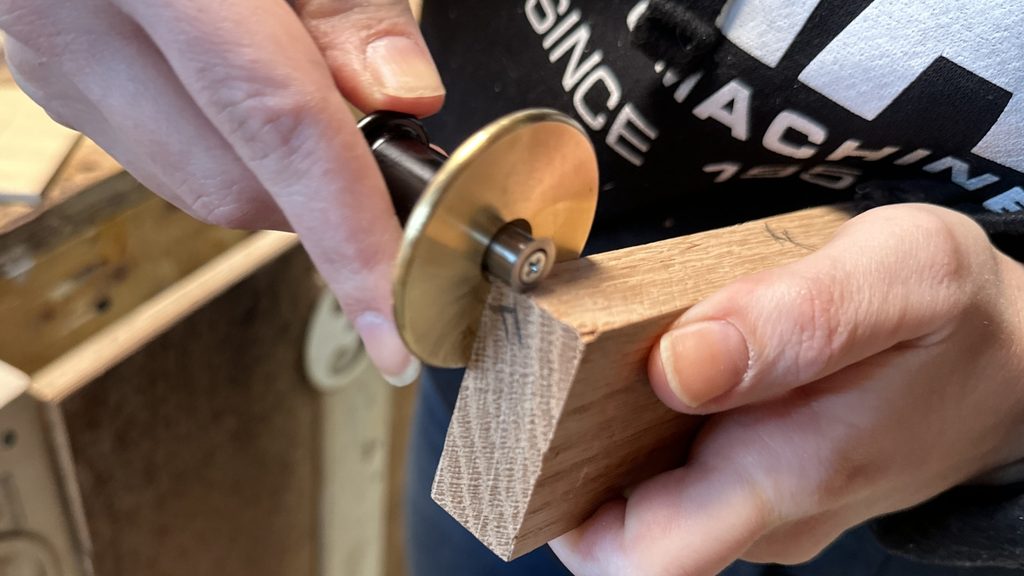
- Use of calipers in layout
- Mallet techniques
- Use of a bench vise
Concepts covered:
The most versatile and popular joint in woodworking – students will expand on their lap joint exercises to create this joint.
Exercise 1: Measurement and layout
Exercise 2: Material preparation
Exercise 3: Mortise and tenon joint creation
Optional: Sharpening techniques
Joinery – dovetail joint – Week 3
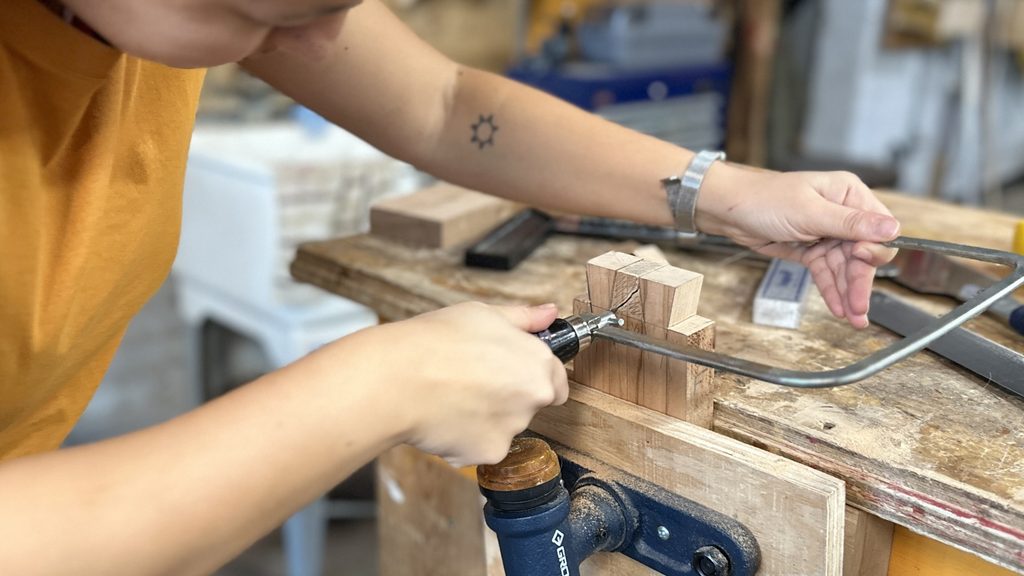
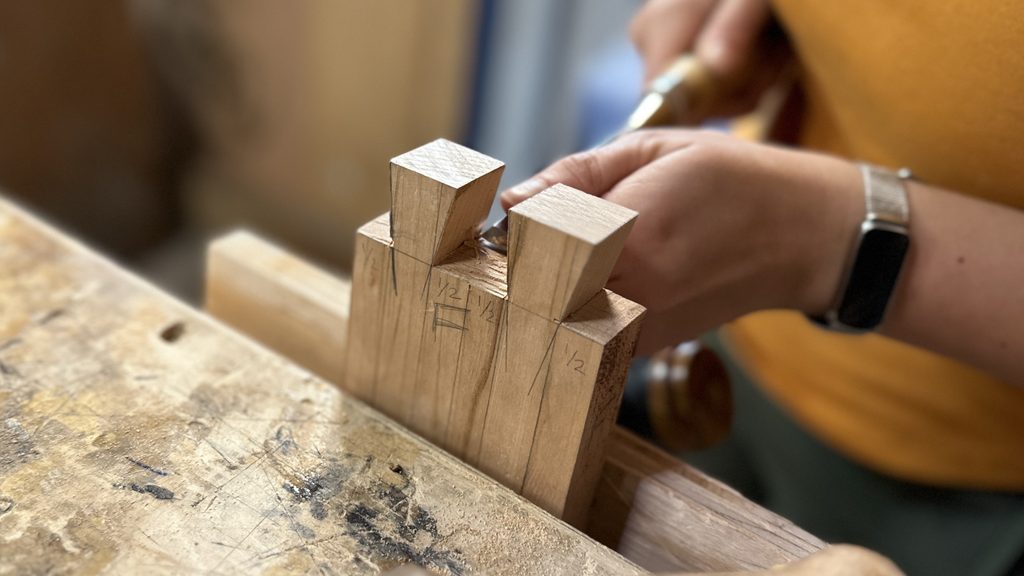
Learn about:
- Use of jigs
- Dovetail/flush-cut saw
- Joint tolerance
- Advanced measurement and layout
Concepts covered:
A dovetail is the most artisinal and aspirational joints, and a great test of skills acquired in joinery. Students will learn the necessary measurement and layout techniques, and engage in creating this more advanced joint.

Powered Tools Project 1 – Week 4
Learn about:
- Wood selection
- Project task ordering
- Safe, effective use of tablesaw
- The planer/joiner combination
- Cross-cutting
Concepts covered:
Learn to spot wood that will be good to work with, along with characteristics of domestic and exotic wood. Get to know the big-three powered tools and get hands-on experience safely and effectively using them.
Project: Cutting board Pt 1.
- Selecting materials for efficiency and style
- Planning effective task ordering
- Dressing wood for accuracy
- Safe and effective tool use Optional: Track Saw
Powered Tools Project – Week 5
Learn about:
- Efficient production
- Use of reference surfaces
- Plaining/joining/cross-cutting
- Board style planning
- Use of adhesives and the glue-up
Concepts covered:
Having learned the basics, students work in teams setting up an effective workflow. They learn to prep stations and work together, going from raw material to fully prepped project material. They then do project assembly, learning about adhesives, tension, and the laminating process.
Project: Cutting board Pt 2.
- Creating an efficient work flow
- Effective use of planer/joiner
- Preparing and using bandsaw for ripping
- Laminating and assembly
Powered Tools Project – Week 6
Learn about:
- Smoothing surfaces
- Contouring and shaping edges
- Detailing and finishing treatments
Concepts covered:
Time for the finishing work, when our projects gets it’s beautiful final form. Students learn techniques to produce a silky-smooth surface, shaping edges, and preserving/beautifying the project with finish treatmens.
Project: Cutting board Pt 3.
- Final surfacing, preserving edges
- Successful sanding techniques
- Shaping with table router
- Use of oils for finishing